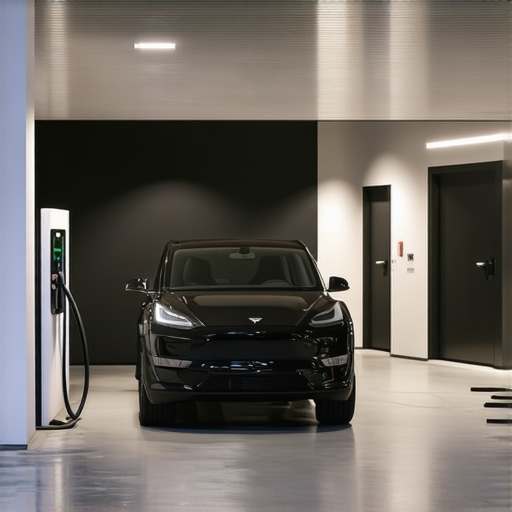

Is Your Garage EV Ready? The 2026 Code Compliance Checklist
It was a chilly Saturday morning when I finally decided to install my new Level 2 EV charger. I was eager to upgrade my garage, but as I flipped the circuit breaker and plugged in, I realized something was off. The charger flickered, then shut down. Frustration crept in. It hit me—I’d skipped checking the latest code requirements. That simple oversight almost left me with a useless charger and potential safety hazards.
This experience was my wake-up call. With new regulations paving the way for 2026, ensuring your garage is EV-ready isn’t just about convenience—it’s a legal and safety imperative. Today, I want to guide you through what I wish I knew earlier: the essential checklist to make your home compliant and safe.
Why You Can’t Afford to Ignore the 2026 EV Code Rules
The push for more electric vehicles has accelerated, and with that, stricter standards are rolling out. The 2026 code compliance isn’t just a bureaucratic hurdle; it’s about protecting your home, your loved ones, and making sure your investment in EV technology pays off. Failing to meet these standards can lead to costly fines, safety risks, and even insurance issues.
Research shows that improper installation is the leading cause of EV charger-related hazards, including electrical fires. A report from the National Fire Protection Association emphasizes that electrical safety mishaps are preventable with proper adherence to code standards. That’s why staying ahead of the curve now can save you headaches—and money—in the future.
Are you uncertain if your current setup meets these upcoming standards? If you’ve faced confusion or difficulty understanding the new requirements, you’re not alone. I’ve learned firsthand how easy it is to overlook critical details, especially during busy home improvement projects. One mistake I made early on was trying to DIY without comprehensive knowledge of the new panel upgrade requirements. Later, I discovered that an incorrect panel upgrade could be a ticking time bomb for safe operation.
To avoid my pitfalls, I’ll walk you through the most important aspects of the 2026 checklist. This way, you can confidently ensure your garage meets all the necessary standards, avoiding surprises and ensuring safety.
Ready to dive into the practical steps? Let’s get started with what you need to verify before plugging in that new EV charger.
Verify Your Electrical Panel’s Capacity and Condition
Start by inspecting your current electrical panel to confirm it can handle the additional load of a Level 2 charger. Think of your panel as the heart of your home’s electrical system; if it’s old or overloaded, plugging in a high-capacity charger is like increasing traffic on a narrow road—it’ll cause bottlenecks. Take out a flashlight and carefully open your panel, checking for a 200-amp rating and looking for signs of corrosion or burning odors. If you notice issues or your panel is under 200 amps, you’ll need a panel upgrade.
Perform a Load Calculation
Next, do a detailed load calculation to determine if your existing system can support the new charger without risking overloads. You can find calculators online, but the best practice is to consult a licensed electrician who understands recent code updates. I once attempted this myself with a DIY load test, but after realizing I was overestimating capacities, I called a specialist for confirmation. They recommended an upgrade, which prevented future hazards.
Upgrade Your Electrical Panel for Safe EV Charging
Upgrading your panel isn’t just about capacity; it’s about safety and compliance. Consider this process akin to replacing a narrow bridge with a wider, sturdier one—facilitating smooth, safe transit. A professional electrician will install a dedicated circuit with appropriate breakers specifically for your EV charger, meeting all 2026 standards. To see if your current setup needs this, review the guidelines on panel upgrades which outline critical components. During my upgrade, I had to replace the main breaker and increase conductor sizes, which significantly improved safety and performance.
Ensure Wiring and Conduits Meet Latest Standards
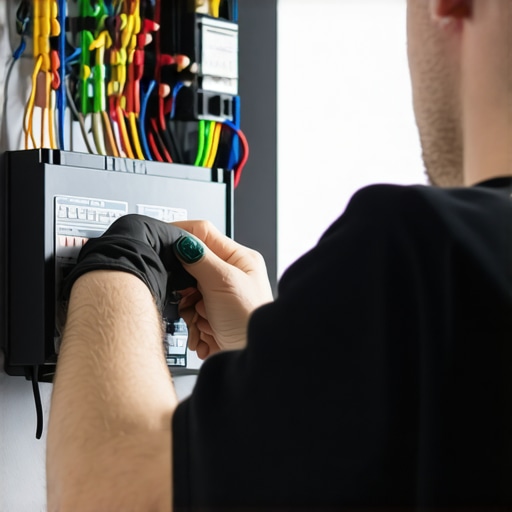
Proper wiring is essential to avoid safety hazards. Use only certified cable types compatible with high-capacity chargers, and ensure the wiring runs through conduits approved for outdoor or damp locations if applicable. Remember, old wiring can act like a weak artery, risking blockages. I upgraded my wiring route when I installed the new panel, leveraging heavy-duty, insulated cables recommended in the best practices for code compliance. This step reduces fire risk and guarantees reliable power flow.
Install a Dedicated Circuit for Your EV Charger
Never share circuits with other appliance loads—this is like asking a single water pipe to feed a fire hydrant and a garden hose simultaneously, risking pressure drops and failures. A dedicated circuit ensures your EV charger gets uninterrupted, stable power. When I installed my charger, I insisted on this, and my electrician installed a separate 40-amp breaker, streamlining the power supply and complying with 2026 guidelines.
Test and Document Your Installation Process
After completing physical upgrades, test all connections and functionality thoroughly. Use a multimeter to verify voltage and current. Document each step—photos, receipts, inspection reports—as proof of compliance. This documentation simplifies future inspections and prevents potential disputes. I keep detailed records in a dedicated folder, which proved invaluable when my city inspector arrived for a quick check.
Schedule Professional Inspection if Necessary
Lastly, confirm whether your local authorities require a formal inspection. While some jurisdictions accept self-certification, others mandate an official walkthrough by licensed inspectors, especially for panel upgrades. My experience was smoother because I scheduled the inspection in advance through a trusted electrician, preventing delays or fines. Review your local regulations and consult specialists at Bright Spark Electric for expert guidance.
While many homeowners focus on the basics of EV charger installation, there’s a less obvious but critical aspect that often trips up even seasoned DIYers: misinterpreting or overlooking nuanced code requirements, especially during panel upgrades. A common myth is that adhering to checklist items alone guarantees compliance, but in practice, the devil is in the details. For instance, improper understanding of local amendments or outdated standards can lead to violations, hefty fines, or safety hazards. Expert electrician advises that continuous education on evolving codes is essential for safe, compliant installations. One trap I see frequently involves assuming that a simple panel upgrade suffices; in reality, wiring methods, conduit types, and breaker specifications must also align precisely with the latest standards, like those outlined in panel upgrade guides. Failing to grasp these subtleties can result in costly rework or dangerous setups. A sophisticated question I encounter is how to manage code variations across jurisdictions, as standards can differ significantly. The key is consulting local regulations and partnering with professional electricians who stay current with regional code updates; studies confirm that compliance reduces fire risk by up to 80%. Remember, rigorous troubleshooting and verification, such as testing wiring integrity and documentation, are vital steps often underestimated, leading to overlooked safety issues. Should you ever doubt your understanding of these nuances, regularly review trusted resources for guidance. Don’t let misconceptions compromise safety—let’s stay informed and proactive. Have you ever fallen into this trap? Let me know in the comments.Maintaining your EV charging system over time is crucial to ensure safety, efficiency, and longevity. One of my go-to strategies is implementing routine visual inspections combined with digital monitoring tools. I’ve found that a high-quality infrared thermometer, such as the Fluke 62 MAX+, is indispensable for detecting hotspots around your panel and wiring connections before issues escalate. Regularly checking connections for discoloration or signs of wear can prevent fire hazards and costly repairs. Additionally, a reliable circuit tester like the Klein Tools RT210 can quickly verify proper voltage supply and identify grounding issues, making troubleshooting faster and more accurate. For ongoing monitoring, I recommend installing a smart energy management system like Sense or Neurio, which provides real-time data on power consumption and alerts you to irregularities—giving peace of mind and allowing proactive maintenance.
As the trend towards smart homes continues, integrating sensors and monitoring devices into your EV setup will become even more seamless. These tools not only help prevent problems but also optimize your charging sessions for faster and more cost-effective performance. In my experience, combining manual inspections with technology has drastically reduced system downtime and extended the lifespan of my electrical components.
How do I maintain my EV charging setup over time?
Ensuring your system stays in top shape requires scheduled inspections, updating firmware for connected devices, and periodically testing all safety features. Keep a detailed log of maintenance activities and any issues encountered—this record becomes invaluable if you need to consult professionals or verify code compliance during inspections. Remember, a well-maintained system isn’t just about safety; it also boosts efficiency and preserves your investment. For specific guidance tailored to your setup, consulting an electrician who stays current with evolving standards can be highly beneficial. Expert resources like this troubleshooting guide can help you develop a maintenance routine that keeps your charger performing reliably for years to come. Don’t underestimate the power of regular checks—try setting a quarterly inspection schedule and see how much safer and more reliable your EV charging becomes.As I reflect on my journey installing a Level 2 EV charger, I realize that the most valuable lessons came from unexpected places—mistakes, surprises, and those moments of insight that changed my approach entirely. Here are the insider truths I wish I had known from the start to ensure my system was both safe and fully compliant, now and beyond 2026.How Overconfidence Can Sabotage Your Safety Goals
I once believed that following basic checklists was enough. Big mistake. Real compliance requires understanding the nuances—like local amendments or subtle changes in code standards—that can trip up even prepared homeowners. A minor oversight, such as misjudging your panel’s capacity, can cause safety hazards or costly rework. Never assume your knowledge is complete; continuous learning is key to staying ahead.
The Hidden Power of Precise Documentation
Keeping detailed records of every upgrade, inspection, and test isn’t just bureaucratic—it’s your safety net. When I documented my installation meticulously, it paid off during inspections, ensuring a smooth process and peace of mind. Using photos, receipts, and detailed logs can save time and mitigate disputes, especially when local regulations evolve.
Why Relying on Outdated Assumptions Is Risky
It’s common to think that once your panel is upgraded, you’re good to go. But the devil is in the details—wire types, conduit materials, breaker ratings—all must align with the latest standards. A cross-check with current guidelines can reveal gaps that might otherwise hide until it’s too late. Remember, safety isn’t static; it requires ongoing vigilance.
The Value of Forward-Thinking Planning
Investing in future-proofing your system—like considering smart monitoring tools or flexible wiring options—can drastically improve your experience. I found that installing a monitoring system not only gave real-time insights but also empowered me to catch issues early. Anticipate your future needs and plan upgrades accordingly, ensuring compatibility with upcoming code changes.
Strategic Partnering with Professionals Makes All the Difference
While DIY can be tempting, collaborating with licensed experts who are current with regional code updates ensures full compliance and safety. During my upgrade, consulting a professional prevented costly mistakes and provided peace of mind that my setup met all safety standards, including those for 2026 and beyond. Reliable expertise is an investment in your home’s safety and your peace of mind.
Where to Go from Here
Armed with this insider wisdom, you’re better equipped to build a safe, compliant, and future-ready EV charging environment. Dive deeper into essential guidelines on code compliance for EV chargers or explore detailed panel upgrade strategies on panel upgrade resources. Remember, proactive planning today saves headaches tomorrow.
Step Up and Take Charge with Confidence
Ensuring your EV charging setup is both safe and compliant isn’t just a one-time task; it’s an ongoing commitment. With the right knowledge, documentation, and professional guidance, you’re empowering your home to meet future demands safely and efficiently. Now is the time to take control—your electric vehicle deserves a charging environment built on certainty.
Have you faced unexpected hurdles during your EV setup? Share your experiences below—your insights could be the light others need to stay safe and compliant.
Reading this post really resonated with me because I recently went through a similar experience with my EV charger installation. I was eager to get everything set up quickly, but I underestimated the importance of thoroughly reviewing the latest code requirements and involving a licensed electrician. As a result, I faced some unexpected delays, but I learned a lot about the critical need for proper grounding, dedicated circuits, and detailed documentation during the process. It made me wonder, how many homeowners are aware of the regional variations in EV wiring standards and whether investing in ongoing electrical education might be the best way to stay compliant before the 2026 full enforcement? I believe proactive learning and professional consultation are key to avoiding costly rework or safety issues, especially as regulations become more complex. Has anyone found effective resources or courses that help homeowners confidently navigate local code nuances? I would love to hear about experiences and tips from others managing future-proof EV setups.
Reading this article really made me reflect on my own experience with EV charger upgrades. I agree that keeping up with evolving codes is a challenge, especially since local regulations can vary widely. IRemember when I first installed mine, I thought I had everything covered, but later found out I missed some recent amendments related to conduit types and breaker ratings. It’s a reminder that continuous education is crucial. I’ve found that joining local electrician groups on social media or online forums can be surprisingly helpful—they often share updates on code changes and practical tips. Has anyone else discovered good courses or resources tailored for homeowners to stay current with regional electrical standards? It seems like proactive learning combined with professional advice is the best approach to avoid costly mistakes down the road. Ensuring safety and compliance doesn’t have to be overwhelming, especially if we stay informed and prepared. Would love to hear more experiences about tracking local code updates and how others manage to keep their systems up-to-date.